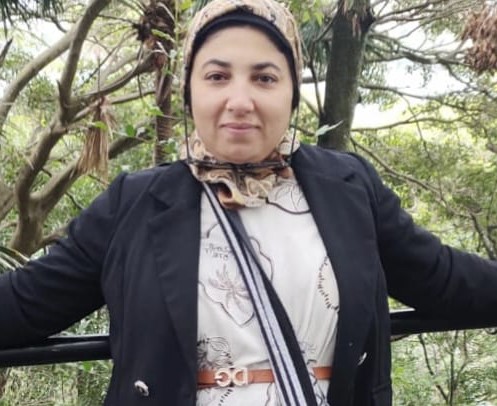
 Nourhan Abdallah is a novelist, short fiction writer and poet from Egypt who now lives in Australia. She works as a multidisciplinary creative professional and graphic designer. She holds a degree in Theatre Criticism and Drama. Nourhan is an Arabic language teacher for children, focusing on developing reading, writing, and expressive skills through engaging and age-appropriate methods.
Sorrow Drinks from an Empty Tap
Sorrow is a wooden box
placing its hands in the heart of the sea,
and the waves rise
as if rehearsing my heart.
Feelings are restless,
and a small solitude by the shore
is enough
to return meaning to life—
for me,
and for everyone searching for a love
time does not betray.
Love is like feeding children at night
to the ringing of the city’s bells.
A child cries
to announce that the night has grown long,
that the distance between his crying and his sorrow
is made of dense hours of pain.
His mother holds him,
so he survives,
so the pain ends—
if only a little.
Sorrow is a great ship
devouring all the waves.
The poem weeps,
and I weep in its middle,
my feelings are unable to endure
interpretation or patience.
I apologize to sorrow
and place my heart between its hands,
perhaps because I am carving a small window
through which a dim light escapes,
passing through a hole in my chest,
calling my name.
Time steals my pains,
and sorrow lifts its hat,
as if greeting me
with a gentle mockery.
I am lost
between gathering the remnants of myself
and aiming for my rifle
at the mind of sorrow.
I feel nothing,
except that my hand freezes,
and my crying hangs
like a heavy cluster of gold.
Life is a dramatic shot,
and sorrow is a scene
repeated every day.
I am tired of life,
and tired of sorrow,
as if they were two bells
taking turns
knocking on my head.
I look through a large lens
and capture my feelings between my fingers,
not from my feet,
as if they flee from me—
only to return.
Sorrow slips in
to reassure life
that a woman here
is still resisting,
still asking for peace.
But fate
did not grant her enough chance to survive,
because sorrow—quite simply—
drinks from an empty tap.
الحُزن يشرب من صِنبور فارغ
الحزنُ صندوقٌ خشبيّ
يضع يدَيْه في قلب البحر
فتثورُ الأمواجُ كأنها تُجرّب قلبي
المشاعرُ متقلّبة
وخلْوةٌ صغيرةٌ بجانب الشاطئ
قادرةٌ أن تعيدَ للحياةِ معناها
لي
ولكلِّ من يبحث عن حب
لا يخونه الوقت
الحبُّ كإطعامِ الصغارِ في المساءِ
على رنينِ أجراسِ المدينة
يبكي طفلٌ
ليعلنَ أن الليلَ طال
وأن المسافةَ بين بكائه وحزنِه
ساعاتٌ كثيفةٌ من الوجع
فتحتضنه أمُّه
لينجو
لينتهي الألم ولو قليلًا
الحزنُ سفينةٌ كبيرة
تلتهمُ كلَّ الأمواج
والقصيدةُ تبكي
وأنا أبكي في منتصفها
ومشاعري لا تحتملُ تأويلاً ولا صبرًا
أعتذرُ للحزن
وأضعُ قلبي بين يدَيْه
ربما لأنني أصنعُ نافذةً صغيرة
ينجو منها ضوءٌ خافت
يمرُّ من ثقبٍ في صدري
ينادي عليّ
الوقتُ يسرقُ آلامي
والحزنُ يرفعُ قبعته
كأنّه يحيّيني بسخريةٍ ناعمة
وأنا تائهةٌ
بين لملمةِ بقايا نفسي
وبين تصويبِ بندقيتي نحو عقلِ الحزن
لا أشعرُ بشيء
إلا أن يدي تتجمّد
وأن بكائي يتدلّى
كعنقودٍ من ذهبٍ ثقيل
الحياةُ لقطةٌ درامية
والحزنُ مشهدٌ يُعاد كلَّ يوم
مللتُ الحياة
ومللتُ الحزن
كأنهما ناقوسان
يتناوبان الطرقَ على رأسي
أنظرُ من خلال عدسةٍ كبيرة
فألتقطُ مشاعري من بين أصابعي
لا من قدمي
كأنها تهربُ مني وتعود
يتسلّل الحزن
ليطمئنَ الحياة
أن امرأةً هنا
لا تزالُ تقاوم
وتطلبُ السلام
لكن القدر
لم يمنحها فرصةً كافية للنجاة
لأن الحزن — ببساطة —
يشرب من صنبورٍ فارغ